Month: August 2021

Intergenenational learning for equity, diversity and inclusion at work

Intergenenational learning for equity, diversity and inclusion at work
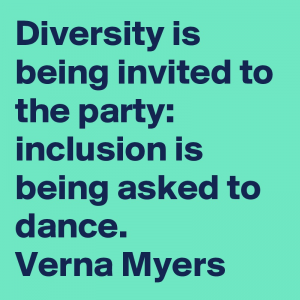
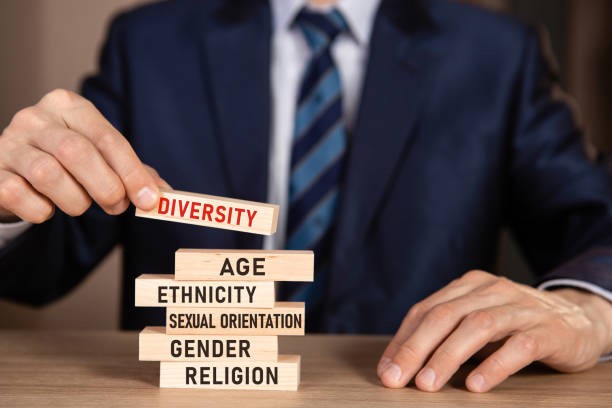
One of ERASMUS+ main 4 priorities for the years 2021 – 2027 is Inclusion and Diversity in society. Recognising that different age groups of people experience discrimination based on age-related stereotypes, the LearnGen project aims at equitable access and equality for workers regardless of age.

Educating employees so that they can challenge social norms and stereotypes and be in a position to manage their own potential biases is a crucial step for promoting is an important step in promoting tolerance and the inclusion of diversity. As Verna Myers puts it: “Diversity is being invited to the party; inclusion is being asked to dance”.  In other words, for effective integration of diversity in the workplace it’s not enough to have different people in the employee group.  The appropriate infrastructure must exist to include everyone in learning, decision-making and development opportunities.

The LearnGen project focuses on 2 basic pillars of educational material and training:

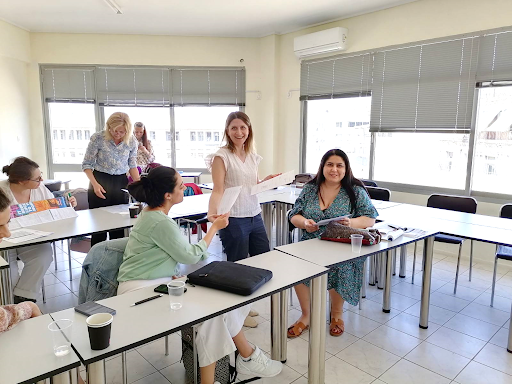
1) Training people in key positions (managers / business owners, human resources executives and adult educators) so that they can positively influence intergenerational learning policies and processes and help their employees be included equally.

2) Training employees to be tolerant of age differences and to become mentors to people of a different generation from their own, helping each other to fill potential skills gaps.

Actions like these build a solid knowledge base by reducing any capacity gap in businesses. At the same time, relations between colleagues are strengthened. Both result in increased job satisfaction which leads to further employee productivity.

For more information on the LearnGen project actions, you can further explore this website and follow us on Facebook.

July 2021
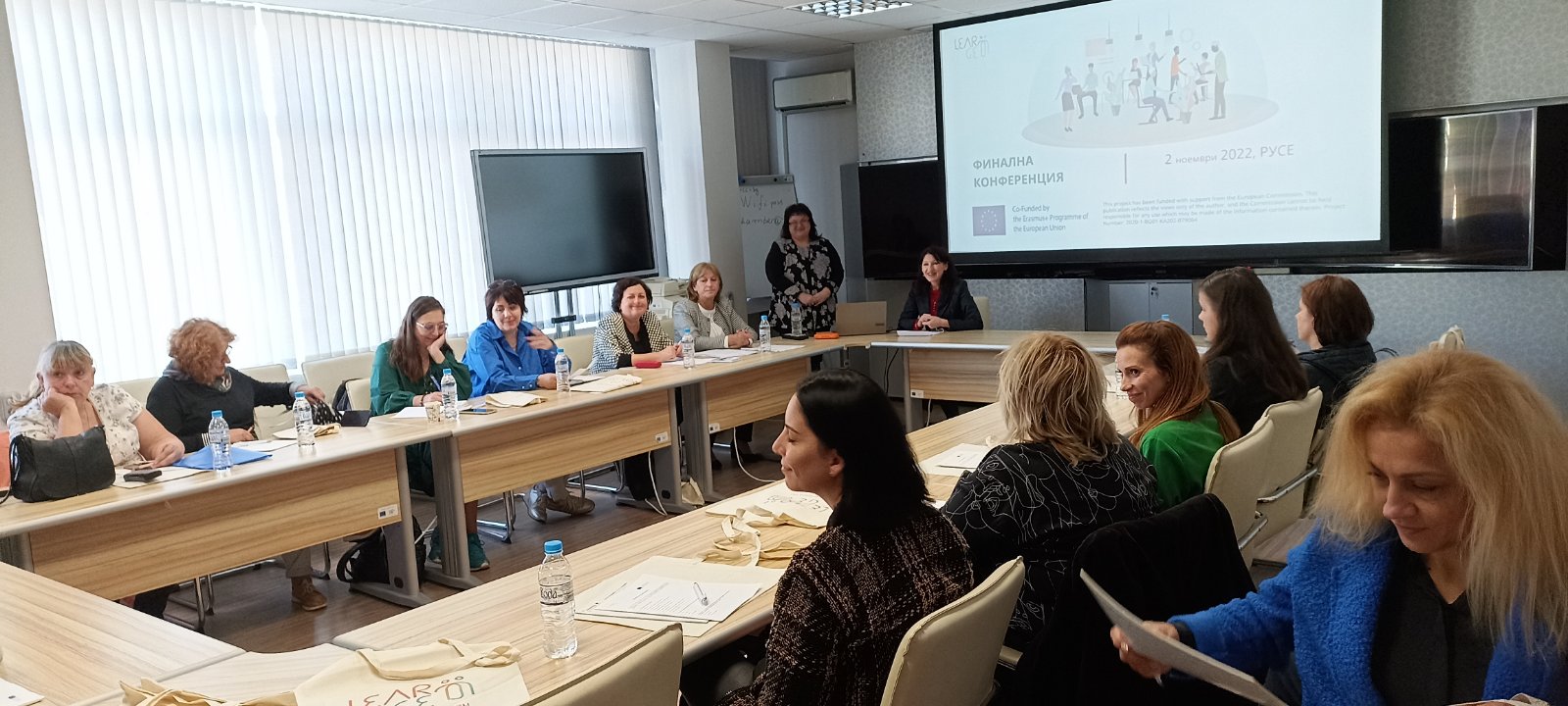
    Mentoring in the Bulgarian schools

    Mentoring in the Bulgarian schools

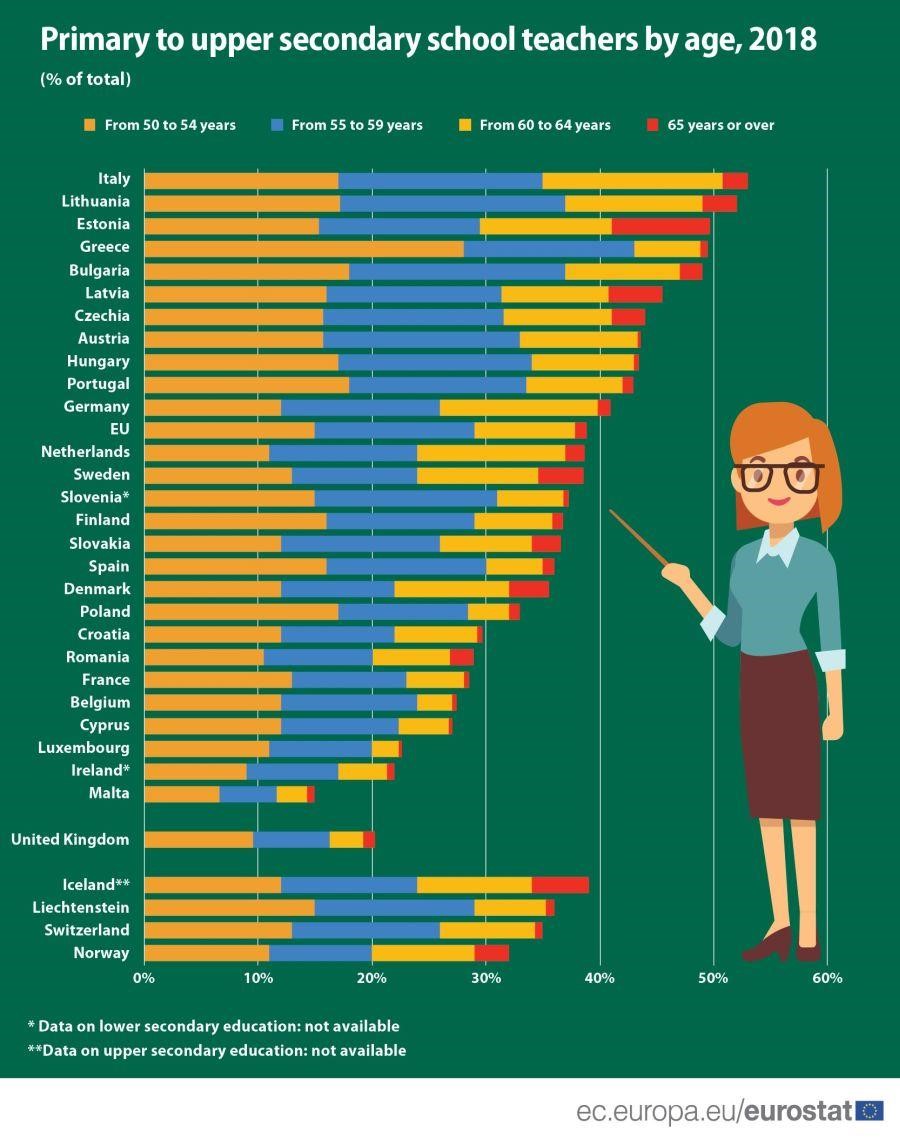
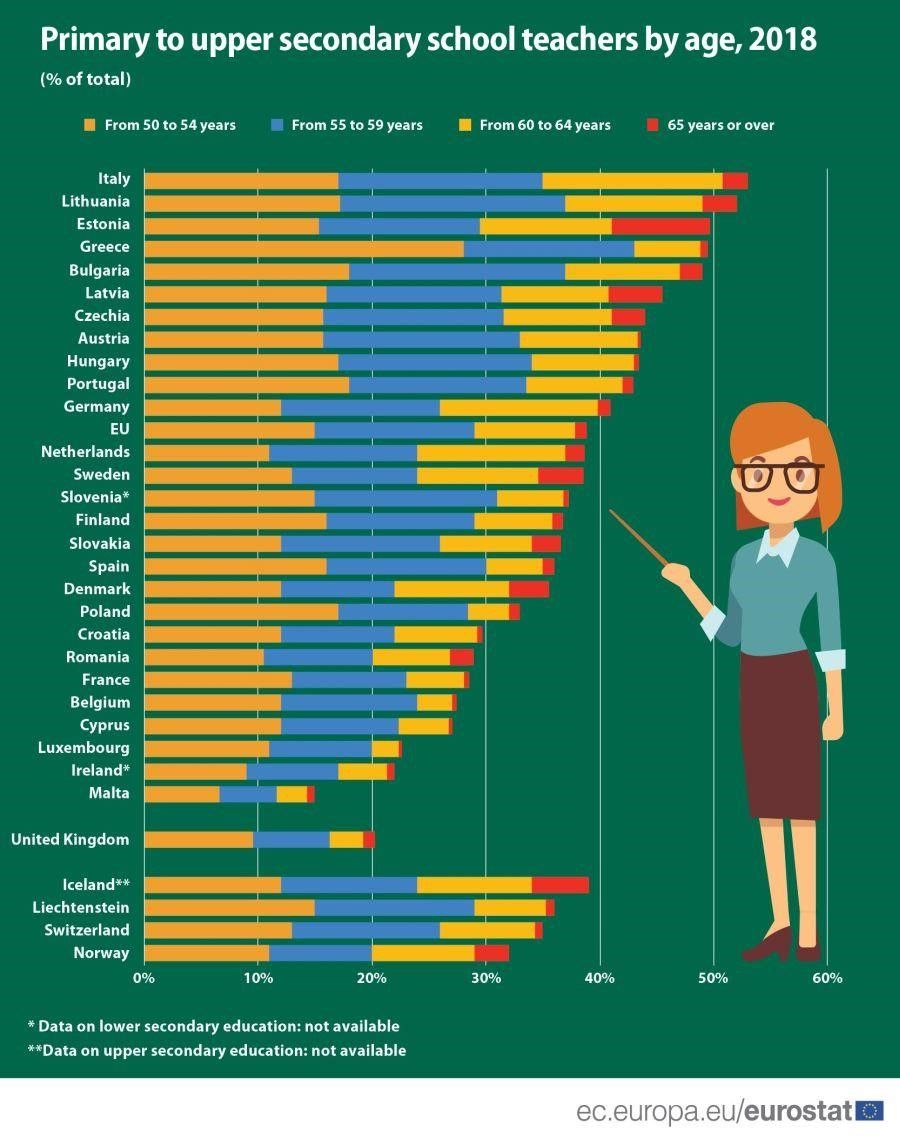
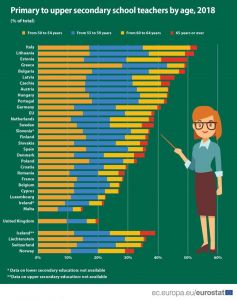
    Bulgaria is among the five EU members with the largest share of aging teachers, according to the Eurostat data.
    Almost 20% of all Bulgarian teachers are aged 50- 54, as many are aged 55 to 59. Near 10% is the share of the teachers aged 60 to 64, and about 3% are teachers over 65. Thus, almost a half of the Bulgarian teachers are close to or over the retirement age.
    The need for young teachers in the Bulgarian education sector has long been identified. This is one of the reasons why intergenerational mentoring is been applying very actively in this sector.
    All university students of pedagogical departments pass compulsory internship at school, where they are guided by experienced, usually older, teachers. After graduating, young teachers continue to be mentored by experienced teachers.

    There are obvious benefits from mentoring at schools for all stakeholders – for both adults and young professionals, but also for the school administration.

    Young teachers obtain knowledge and develop their practical skills. Guided by experienced mentors, they design their own professional careers and learn to have effective communication with school students. On the other hand, the mentors develop their own professional skills by communicating with their younger colleagues.

    In the digital world the mentoring process also takes the opposite direction. The younger teachers, being savvy in technologies, often become mentors for their older colleagues. They guide them how to digitalize the educational content, offering at the same time new approach to the school topics.

    Indisputable are also the benefits for the school administration. The mentoring process increase the culture and professional level of the pedagogical staff, the interrelations in the school improve. As a result – better educational quality.

    More about the mentoring in the teachers’ profession you can read in the annual scientific-theoretical journal “Pedagogical News” of the Ruse University – http://pedagogicnews.uni-ruse.bg.

    Authors: BRCCI, Bulgaria

    August 2021

      Reverse mentoring and intergenerational learning; how similar are they?

      Reverse mentoring and intergenerational learning; how similar are they?

      In recent years, reverse mentoring and intergenerational learning seem to have a great impact on the contemporary workplace. According to research conducted by the University of Szczecin, in Western Poland, the efficacy of reverse mentoring depends on the level of engagement in the mentor/mentee relation and the level of organisational support – engagement of the officers, supportive organisational culture and atmosphere conductive to cooperation. Reverse mentoring can provide corporate leaders with valuable generational and cultural perspective, and foster inclusivity by bridging the gap between populations diverse in age, ethnicity, culture and gender. This way, organisations have the opportunity to benefit from truly diverse teams at the workplace fostering understanding and exchange of experiences. 

      In recent years, reverse mentoring and intergenerational learning seem to have a great impact on the contemporary workplace. According to research conducted by the University of Szczecin, in Western Poland, the efficacy of reverse mentoring depends on the level of engagement in the mentor/mentee relation and the level of organisational support – engagement of the officers, supportive organisational culture and atmosphere conductive to cooperation. Reverse mentoring can provide corporate leaders with valuable generational and cultural perspective, and foster inclusivity by bridging the gap between populations diverse in age, ethnicity, culture and gender. This way, organisations have the opportunity to benefit from truly diverse teams at the workplace fostering understanding and exchange of experiences. tor/mentee relation and the level of organisational support – engagement of the officers, supportive organisational culture and atmosphere conductive to cooperation. Reverse mentoring can provide corporate leaders with valuable generational and cultural perspective, and foster inclusivity by bridging the gap between populations diverse in age, ethnicity, culture and gender. This way, organisations have the opportunity to benefit from truly diverse teams at the workplace fostering understanding and exchange of experiences. 

      “Reverse Mentoring: a solution to bridge the age gap in the workplace”

      “Reverse Mentoring: a solution to bridge the age gap in the workplace”

      The proactive management of equality, diversity and inclusion are increasingly important to the culture of a company and how it operates today. Many organisations are striving to break down barriers, promote inclusivity and look at ways to retain existing employees. When we consider it, the term “generation gap” has never been more relevant than it is today with up to five generations working side by side – from the baby boomers born between the mid-1940s and the mid-1960s to Generation Z, who were born after 1995.

      Today’s workforce challenges management with a wide ranging life experience and age gap to plug, not least because technology has changed the working environment so much since the baby boomers entered the labour market initially. Reverse Mentoring, a concept first made popular in the 1990’s, is a possible solution to bridge the age and generational gap within the workforce.

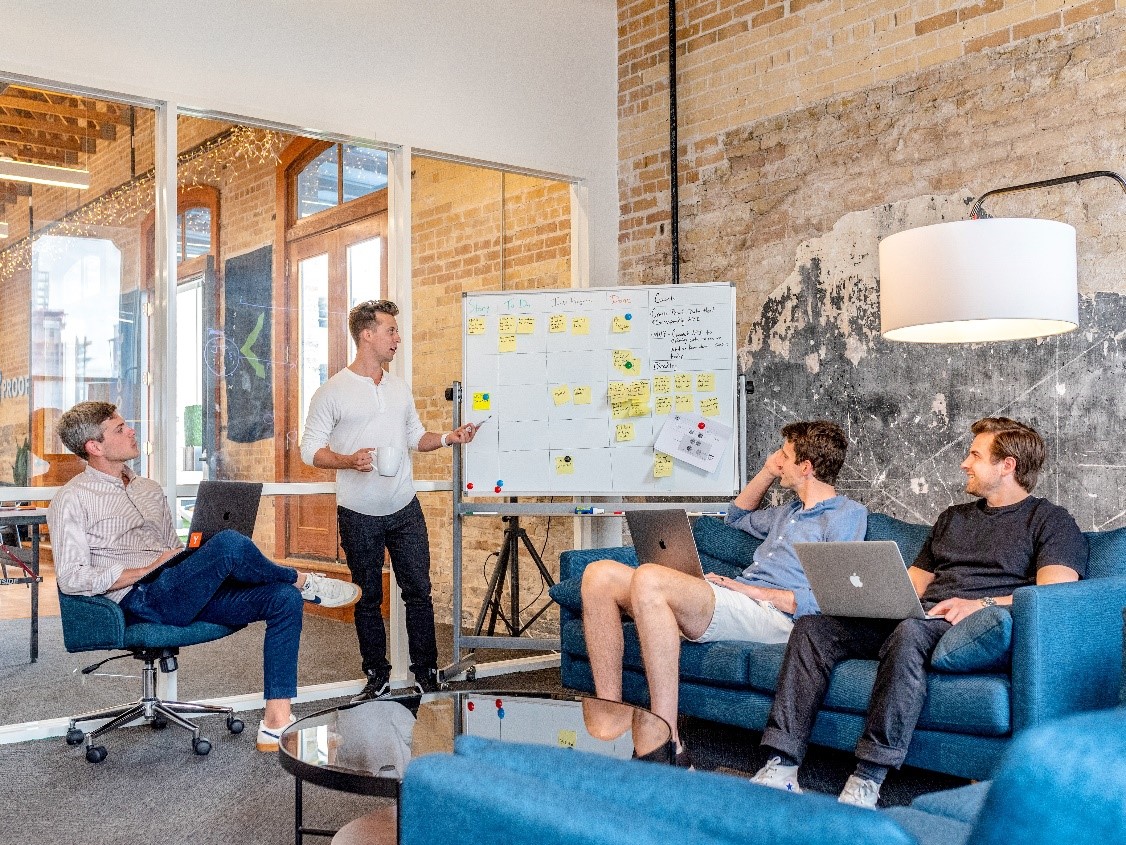
      Reserve or reciprocal mentoring was initially a way to close the skills gap and introduce new technology to senior managers using a basic mentor partnership but reversed. For example, a younger employee would ‘mentor’ an older, more senior employee. The senior employee, usually management, could then take on board the ideas and have the power to support implementation within the business. For the reverse mentoring relationship to work, it must have clear objectives and take place at fairly regular intervals; although the arrangement need not be too formal or rigid. Mentors and mentees should be at ease with the arrangement so they receive the most value from it. Like any form of mentoring, reverse mentoring in any organisation should be based on trust, confidentiality, mutual respect and sensitivity.

      Reverse Mentoring is a bridge-building exercise between the generations where the conversation can range from integrating new digital communications tools to discussing what younger people believe the world of work should look like. “Reverse mentoring is a two-way street,” says Mary Harrison, chief executive of business training and support company, Optimum. “The results can be tangible and invaluable in helping today’s leaders to drive a stronger and more robust business and providing tomorrow’s leaders with an opportunity to experience a view from the top.”

      Professor Karl Moore from the Desautels Faculty of Management at McGill University suggests some more subtle ways of reverse mentoring: ‘These include things like sending your mentee articles to read, suggestions of TED talks to watch, or things that struck you that you want to share with them. You might also want to set up a time to have coffee and discuss the material you sent them and how it might apply to the business.’

      For more on the LearnGen Project, please visit us at www.learngen.eu

      Author: Future in Perspective, Ireland

      August 2021
        The European Commission’s support for the production of this website does not constitute an endorsement of the contents, which reflect the views only of the authors, and the Commission cannot be held responsible for any use which may be made of the information contained therein.
        Project Number: 2020-1-BG01-KA202-079064
        Privacy Policy