Month: June 2021

“Ageism is alive and kicking in Ireland”

“Ageism is alive and kicking in Ireland”
The COVID-19 pandemic has brought the topic of ageism in the workplace to the forefront of our minds. In March 2021, a staggering 59% of young people aged between 15 – 24 years were unemployed. Often in low-income jobs that have been hit heavily by the pandemic, young people have been indirectly pushed out of the labour market. Did you know that age-related discrimination occurs when individuals are mistreated, or cannot access the same opportunities, as other individuals, solely based on their age?  Not only does ageism in the workplace occur for the youth of Ireland, but older workers are often disregarded from employment opportunities as they are seen to be too costly and due to retire soon. By comparison, it is estimated that in the US, bias against older workers alone can cost the US economy up to $850 billion annually.

Ageism in the workplace can take many forms, and often happens when workers are applying and interviewing for new roles. Younger workers may not have the required skills or knowledge to be able to apply for more senior roles, whereas older workers may be seen as ‘too experienced’ and ‘too expensive’ for a role. Often, workers from minority groups face higher levels of ageism in the workplace as they simply cannot afford to change their job.

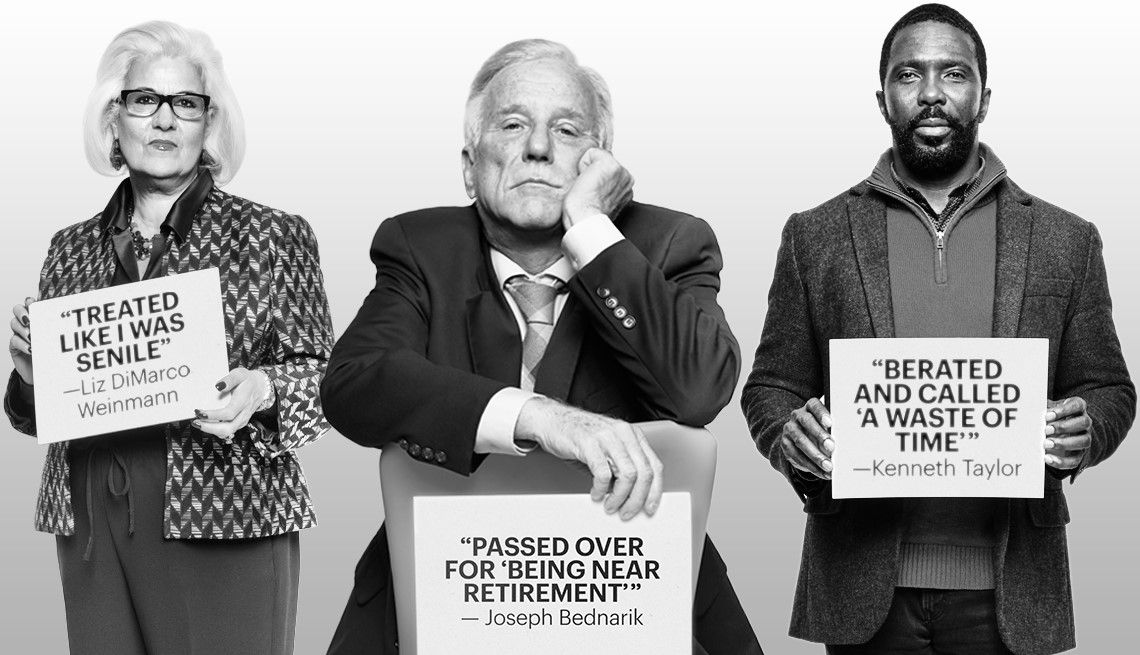
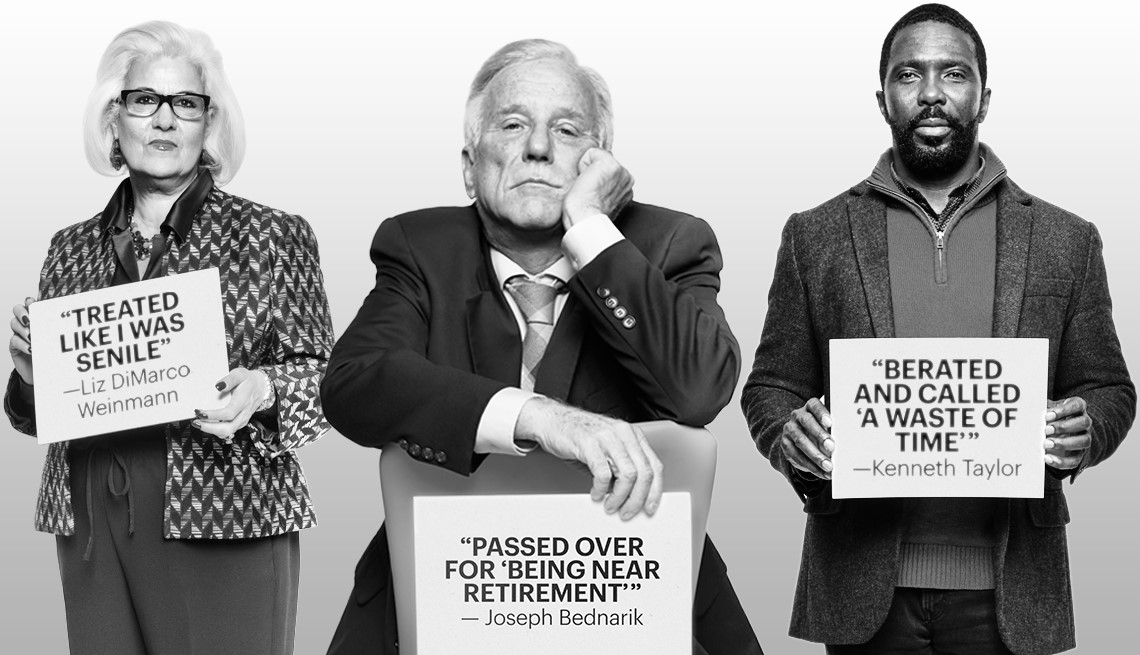
Ageism in the workplace can affect workers, colleagues and even the wider community. Age-related discrimination is often swept under the carpet and not recognised or identified. Commonly, ageist phrases in the workplace include statements such as ‘You’re ancient!’; ‘You can’t teach an old dog new tricks’; ‘You’re too slow’.  However, high profile legal cases in recent years have highlighted that individuals of all ages can be victims of ageism at the workplace.

Often age-related discrimination occurs when individuals are seeking work but are refused solely on the grounds of their age. In November 2020, two men aged 35 were awarded over €12,000 after being refused entry to An Garda Síochana (Irish Police Force) between 2005 and 2007 based on an upper age limit within the force. Victim Ronald Boyle has pleaded with the Minister for Justice, Helen McEntee, to abolish this upper age limit of 35 years to ‘bring an end to this ongoing prejudice’.

Ageism in the workplace has the potential to destroy intergenerational camaraderie and peer support within the workplace. Ireland is currently at a pivotal junction and if age-related discrimination is continued to be swept under the carpet and not addressed appropriately workplaces could see increasing amounts of prejudice towards people of all ages.

The LearnGen project is working with partners across Europe to address workplace ageism and create a series of educational tools and resources that can be used by HR professionals, team leaders and managers to promote intergenerational learning and equality in the workplace.


 

Intergenerational learning and inclusion of all people regardless of age at the workplace

Intergenerational learning and inclusion of all people regardless of age at the workplace

We often experience or become aware of age bias.  Such biases exist in all facets of life, including work life.  For example, we may observe employers refusing to invest in the further development and training of employees of a certain age or employer who are reluctant to give work involving decision making to younger employees.  This type of bias leads to the alienation of a significant part of the workforce and their exclusion from learning and training opportunities aiming at increasing their efficiency and the productivity of their employers.

The ERASMUS + European project entitled τίτλο LearnGen: Intergenerational Mentoring and Learning in the Workplace deals with intergenerational learning as a significant tool for inclusion and interaction between younger people (aged between 18 and 30 years old) and older people (aged 50+) at the place of work.  Through the development of this project we aim to inform companies, managers and adult training educators about the benefits of including all employees in the workplace regardless of age to cultivate social cohesion and acceptance of intergenerational differences.

Intergenerational learning is defined as the way in which people of different generations can transfer knowledge to each other. When different generations work together to exchange views, impart knowledge and values, and develop skills through their interaction, it becomes an important aspect of lifelong learning that is significant to all people regardless of age. Through intergenerational learning, mutual understanding and the development of an educational relationship are promoted, while at the same time the generational gap phenomenon is reduced.

How can intergenerational learning be developed? An important way is deliberate and systematic guidance. Most of us are familiar with the concept of a Mentor at work who is usually a more experienced, frequently older person who takes care of a less experienced, often young person to teach him/her some things.  Equally important though is reverse mentoring where the younger person undertakes to teach some knowledge to an older colleague.  Young people, in addition to having the opportunity to learn from the knowledge and experiences of older people, also have a lot to teach respectively, mainly digital skills, technological challenges and literacy on social media.

The LearnGen project aims to develop training materials for organizations, employers and employees so that they can integrate mentoring into their training and human resource development programs and develop the necessary skills that the opposite generation can teach them.

For more articles on the subject of intergenerational learning and post updates about the LearnGen project you can follow us on Facebook: https://www.facebook.com/learngeneu/about/?ref=page_internal

    Ageism in the workplace in the world and in Czech Republic

    Ageism in the workplace in the world and in Czech Republic

    What is ageism?

    The term ageism was first used by the American psychiatrist Robert Butler in a 1968 Washington Post article in the context of segregated housing policy. In 1975, Butler in his book “Why Survive? Being Old in America “develops the term, and in 1979 “ageism” was first included in “The American Heritage Dictionary of the English Language.” The original and perhaps most widespread definition of ageism speaks of a process of systematic stereotyping and discrimination of people for their age (Butler 1975). The term is sometimes described by the synonym “age discrimination”.

    Let’s zoom in to Europe and the Czech republic. The concept of ageism is gradually entering the Czech professional dictionary too. The first attempt at a comprehensive presentation of the phenomenon of age discrimination in the Czech context is the work of Mgr. Lucie Vidovićová, Ph.D. (2005), who defined ageism as follows:

     “Ageism – Age Discrimination is an ideology based on a shared belief in the qualitative inequalities of the various stages of the human life cycle. It manifests itself through a process of systematic, symbolic and real stereotyping and discrimination of persons and groups on the basis of their chronological age and / or their affiliation to certain generations. “

    Ageism in the workplace

    Ageism – the stereotyping, prejudice and discrimination against people based on their age – is pervasive and experienced by both younger and older participants in the labour market. Many older workers face ageism when looking for new jobs, training opportunities and career development or are pushed to leave into early retirement in times of economic recession. Ageism in the labour market is prevalent and costly to businesses who do not make the most of the potential of their ageing workforce. At the individual level, ageism has been shown to negatively affect health and well-being and can reduce life expectancy by up to 7.5 years.

    Ageism is costly for both employers and employees, and for societies at large. Recently PricewaterhouseCoopers (PwC) estimated that if member countries of the Organisation for Economic Co-operation and Development (OECD) increased the employment rate of those aged over 55 to match that of New Zealand (where it is highest), this could boost total OECD GDP by around USD 3.5 trillion in the long run. (PwC 2018, p. 18.)

    Labour market in Czech republic

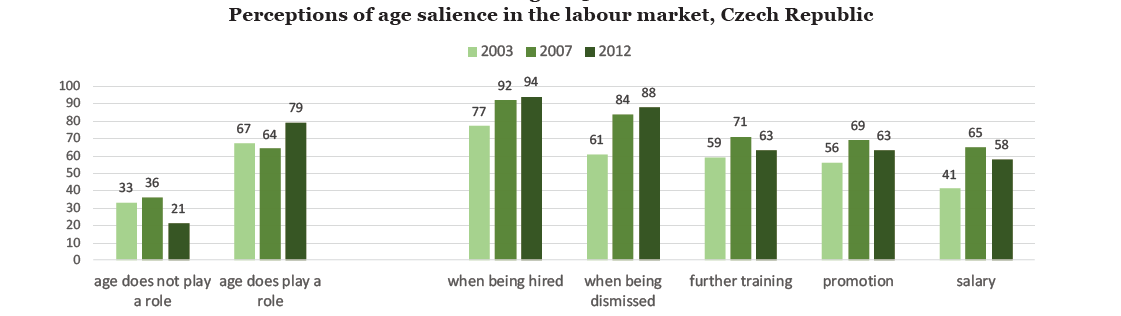
    Perceptions of chronological age play an important role in the labour market. A survey among Czech adults aged 18–80 in 2012 showed that among those who feel that their age is important during their working life (79 per cent of the sample in 2012) the vast majority feels that their age is a critical factor in being hired or dismissed, offered training, a promotion or when salary levels are being decided upon (see graph below).


      Zdroj: Vidovićová 2008: 169 (for 2003 & 2007); Survey Ageismus 2012 for data for 2012. Reprezentativní vzorek populace v České republice, věk 18 – 80 let.

    World Health Organisation (WHO) call to action

    WHO published a global report on ageism in March 2021. The report states that both older and younger adults are often disadvantaged in the workplace and access to specialized training and education decline significantly with age. Ageism against younger people manifests across many areas such as employment, health, housing and politics where younger people’s voices are often denied or dismissed.

    The report notes that policies and laws that address ageism, educational activities that enhance empathy and dispel misconceptions, and intergenerational activities that reduce prejudice all help decrease ageism.

    All countries and stakeholders are encouraged to use evidence-based strategies, improve data collection and research and work together to build a movement to change how we think, feel and act towards age and ageing, and to advance progress on the UN Decade of Healthy Ageing.

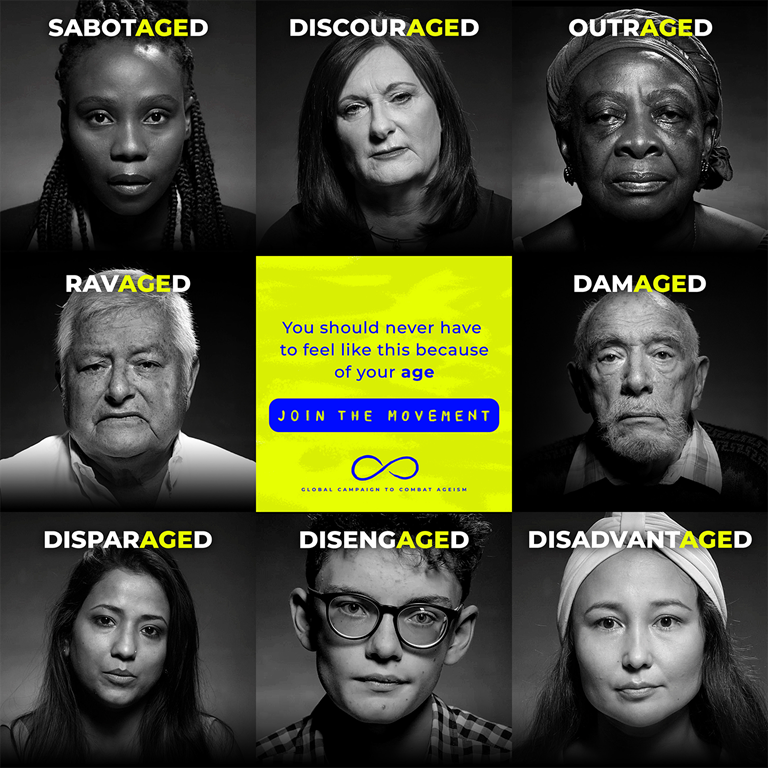
    “Ageism towards younger and older people is prevalent, unrecognized, unchallenged and has far-reaching consequences for our economies and societies,” said Maria-Francesca Spatolisano, Assistant Secretary-General for Policy Coordination and Inter-Agency Affairs in the Department of Economic and Social Affairs. “Together, we can prevent this. Join the movement and combat ageism.” 

    Author: Jana Kyriakou

    Sources:

    https://www.ageismus.cz/o-ageismu

    https://unece.org/fileadmin/DAM/pau/age/Policy_briefs/ECE-WG1-30.pdf

    https://www.who.int/news/item/18-03-2021-ageism-is-a-global-challenge-un

      International study of intergenerational family business

      International study of intergenerational family business

      The first part of a large scientific study, named Intergenerational Family Businesses as a Stress Management Instrument for Entrepreneurs, has been published. It has been compiled by an international academic network created under the INTERGEN project.

      The purpose of this publication is to describe the results of an international research under INTERGEN about some attitudes in the students to choose the idea of family business. This psychological background is upgraded with analyses of their business expectations.

      The network INTERGEN was launched in 2018; initially it conducted researches among students of 12 universities from 6 countries. The studies’ focus was on entrepreneurial attitudes in intergenerational family businesses. In 2020 more academic centers from Asia and Europe joint the network.

      After the pandemic begun, the network went on working by moving into the cyberspace. The first online meetings were accomplished with the participation of scientists from 22 academic institutions from 8 countries of 2 continents – Albania, Bulgaria, Iran, Poland, Romania, Russia, Serbia and Uzbekistan.

      The network aims to improve the understanding of the role of intergenerational family business for the development of students as entrepreneurs.

      The international study, published by Angel Kanchev University of Ruse, Bulgaria, one of the active members of the INTERGEN network, can be read in English and downloaded at http://www.intergen-theory.eu/results.html.

        The European Commission’s support for the production of this website does not constitute an endorsement of the contents, which reflect the views only of the authors, and the Commission cannot be held responsible for any use which may be made of the information contained therein.
        Project Number: 2020-1-BG01-KA202-079064
        Privacy Policy